
Best Noninvasive Therapies for Chronic Tension
That tight band across your shoulders after a workday, the jaw that never quite unclenches, the low back that feels guarded before you even move - chronic tension can make ordinary routines feel harder than they should. The best noninvasive therapies for chronic tension do not rely on one quick fix. They help calm an overworked nervous system, support circulation and recovery, and give your body repeated opportunities to release what it has been holding.
For many people, tension is not simply a muscle problem. Long hours at a desk, demanding workouts, poor sleep, stress, old injuries, and repetitive movement can all contribute. A more effective wellness plan considers the whole picture, pairing hands-on care with restorative technology and simple habits that make relief easier to maintain.
Why chronic tension needs more than a stretch
Stretching can feel wonderful, but a tense muscle may tighten again if the source of the strain has not changed. Your body can stay in a protective pattern when it is dealing with stress, limited movement, recovery demands, or pain signals. This is why a personalized routine often works better than booking one service only when discomfort becomes unbearable.
Noninvasive therapies can support relaxation and physical recovery without medication, needles, or downtime. The right option depends on where you feel tension, how active you are, your health history, and whether your main goal is stress relief, mobility, workout recovery, or ongoing comfort.
If pain is sudden, severe, follows an injury, causes numbness or weakness, or comes with chest pain, fever, unexplained weight loss, or changes in bladder or bowel function, seek medical evaluation promptly. Wellness therapies are supportive care, not a replacement for diagnosis or treatment from a qualified medical professional.
Best noninvasive therapies for chronic tension
Massage therapy and therapeutic bodywork
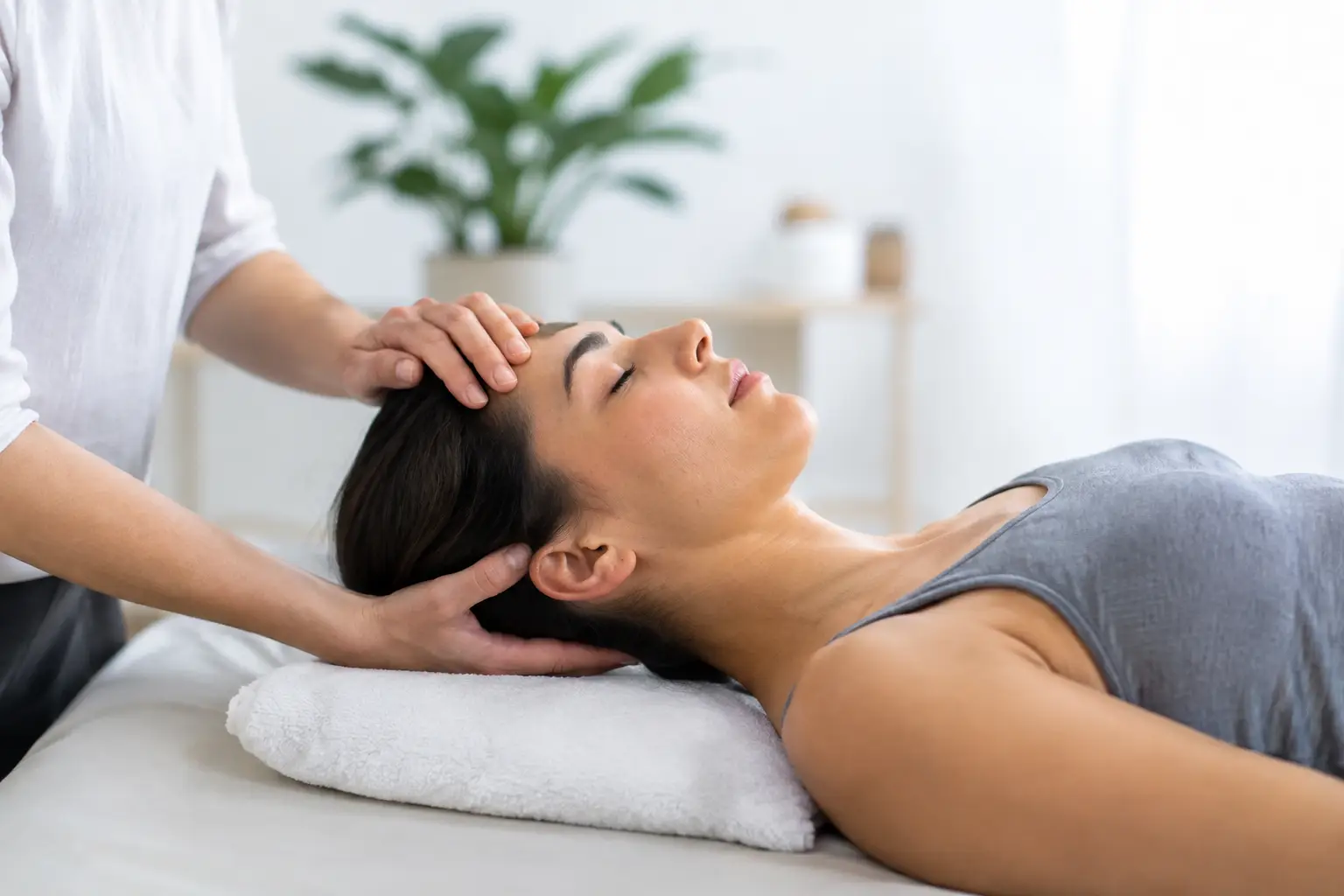
Massage therapy is often the most direct place to begin when muscles feel knotted, sore, or difficult to relax. A skilled massage therapist can work with the areas carrying the most load, such as the neck, shoulders, back, hips, calves, or forearms. Depending on your needs, the session may focus on soothing Swedish-style relaxation, more targeted therapeutic techniques, or bodywork that supports mobility and recovery.
The benefit is not only physical. Intentional touch and a quiet treatment setting can help shift the body out of a constant state of alertness. Many clients notice they breathe more deeply, sleep better, and become more aware of where they hold tension after regular sessions.
The trade-off is that very deep pressure is not always better. If your system is already sensitive or your muscles are highly guarded, aggressive work can leave you feeling sore and may encourage more bracing. Clear communication about pressure, goals, and post-session response helps make massage productive rather than overwhelming.
PEMF therapy for recovery support
PEMF, or pulsed electromagnetic field therapy, uses low-frequency electromagnetic pulses intended to support the body's natural recovery processes. Clients often choose PEMF as a relaxing, low-effort complement to massage, movement, or a recovery routine. During a session, you simply rest while the therapy is delivered through a mat or targeted applicator.
People managing recurring tightness may appreciate PEMF because it does not require forceful stretching or hands-on pressure. Some use it when they want to feel more settled after activity or need a restorative pause during a demanding week. Individual responses vary, and it is most useful when approached as part of a consistent wellness routine rather than a guaranteed cure.
Before scheduling, share relevant health information with your provider. PEMF may not be appropriate for everyone, including people with certain implanted electronic medical devices or specific medical conditions.
Full-body red light therapy
Full-body red light therapy uses specific wavelengths of red and near-infrared light in a comfortable, noninvasive session. It is commonly chosen to support recovery, relaxation, and overall wellness. For someone whose tension is linked to frequent exercise, physical work, or general muscle fatigue, red light therapy can be a practical addition to a broader care plan.
A red light session is not a substitute for correcting an unsupportive workstation, improving sleep, or addressing a movement pattern that is continually irritating an area. Its value is in how easily it can fit alongside those changes. Many clients appreciate that the session is quiet, simple, and requires no recovery time afterward.
Infrared sauna for warmth and decompression
When your whole body feels wound up, gentle heat can be deeply comforting. Infrared sauna sessions use infrared heat to create a warm, relaxing environment that may help soothe tired muscles and encourage a calming break from a packed schedule. For chronic tension connected to stress, the ritual of stepping away from screens and responsibilities can be as meaningful as the warmth itself.
Hydration matters. Drink water before and after your session, and avoid pushing through dizziness, nausea, or discomfort. Sauna use also requires extra care for people with certain cardiovascular conditions, heat sensitivity, pregnancy, or medications that affect hydration or temperature regulation. When in doubt, check with your healthcare provider first.
Compression therapy for legs and active recovery
Tight, heavy legs can change the way you walk, train, and recover. Compression therapy uses rhythmic pressure around the legs to support circulation and a refreshed, lighter feeling after long periods of standing, travel, or exercise. It can be especially appealing for runners, cyclists, fitness-minded clients, and professionals who spend much of the day on their feet.
Compression is more targeted to lower-body recovery than it is to neck or jaw tension. Still, reducing discomfort in the legs can help your overall movement feel more balanced. It pairs naturally with mobility work, massage, and adequate recovery between workouts.
Vibroacoustic therapy and neurovisual relaxation
Some tension starts with a body that rarely receives a true signal to slow down. Vibroacoustic therapy combines sound and gentle vibration in a calming setting, while neurovisual brainwave entrainment uses guided visual and audio experiences designed to support relaxation. These services can be particularly helpful for people who say, “I know I need to relax, but I cannot switch my brain off.”
Neither service needs to be physically demanding to be valuable. They offer a structured time to rest, breathe, and let the nervous system settle. They may be a better first choice than deep bodywork for clients who are feeling depleted, overstimulated, or touch-sensitive.
Inversion and automated massage
Inversion therapy and automated massage can offer accessible support between more customized sessions. Inversion may help some people feel temporary decompression through the spine and a gentle change of position. Automated massage can provide convenient, repeatable muscle relaxation when you want relief without a full practitioner-led appointment.
Both options call for good judgment. Inversion is not appropriate for everyone, including people with certain eye conditions, uncontrolled high blood pressure, heart concerns, or balance issues. A wellness professional can help you determine whether it fits your needs and comfort level.
Build a routine that your body can actually maintain
The best plan is usually the one you will use consistently. If stress is the main driver, begin with a calming service such as massage, vibroacoustic therapy, or infrared sauna and schedule it often enough to interrupt the tension cycle. If workouts or physical labor leave you persistently sore, consider combining massage or bodywork with compression, red light therapy, or PEMF sessions.
Think in terms of layers rather than perfection. One practitioner-led massage each month, paired with shorter technology-based recovery sessions between visits, may be more sustainable than waiting until you need an intensive appointment. Your provider can also help you adjust session frequency based on how your body responds.
At Synergy Wellness Center in La Crosse, clients can explore several complementary therapies in one supportive setting instead of trying to coordinate recovery care across multiple locations. That convenience makes it easier to build a routine around real life, not an ideal schedule.
Make the relief last outside your appointment
Professional wellness care works best when your daily routine stops recreating the same strain. Take brief movement breaks during long periods of sitting, change positions before discomfort builds, and choose gentle mobility over forcing a painful stretch. A supportive pillow, regular hydration, adequate protein, and consistent sleep can also make a noticeable difference in how your muscles recover.
Pay attention to patterns. Does your neck tighten after video calls? Do your hips feel restricted after driving? Does stress show up first in your jaw or hands? Those details help you choose therapies with more intention and give your provider useful direction for your sessions.
Your body does not need to earn rest by reaching a breaking point. A regular, drug-free recovery practice can become a practical way to feel more comfortable, move with greater ease, and make room for the energy you want to bring to your life.


Comments